

Introduction: Making Technology Work for Small Businesses
For many small business owners, technology can feel overwhelming. Terms like cloud computing, servers, infrastructure, and digital platforms often sound complicated and reserved for large companies with dedicated IT teams.
However, modern technology is becoming easier to access and more practical for businesses of all sizes. Cloud computing is one of the best examples of this transformation. It allows small businesses to use powerful digital tools without buying expensive equipment, managing complex systems, or needing advanced technical knowledge.
The cloud has changed the way businesses store information, run applications, communicate with customers, and manage daily operations. Instead of building everything from scratch, companies can use reliable online services that are flexible, scalable, and easier to maintain.
Understanding cloud computing does not require becoming a technology expert. It simply requires knowing what problems it solves and how it can support business goals.
What Is Cloud Computing?

A Simple Explanation of the Cloud
Cloud computing means using technology services over the internet instead of relying only on physical computers or servers located inside a business.
Traditionally, companies had to purchase and maintain their own hardware to store files, run software, and manage systems. This required significant investment, technical knowledge, and ongoing maintenance.
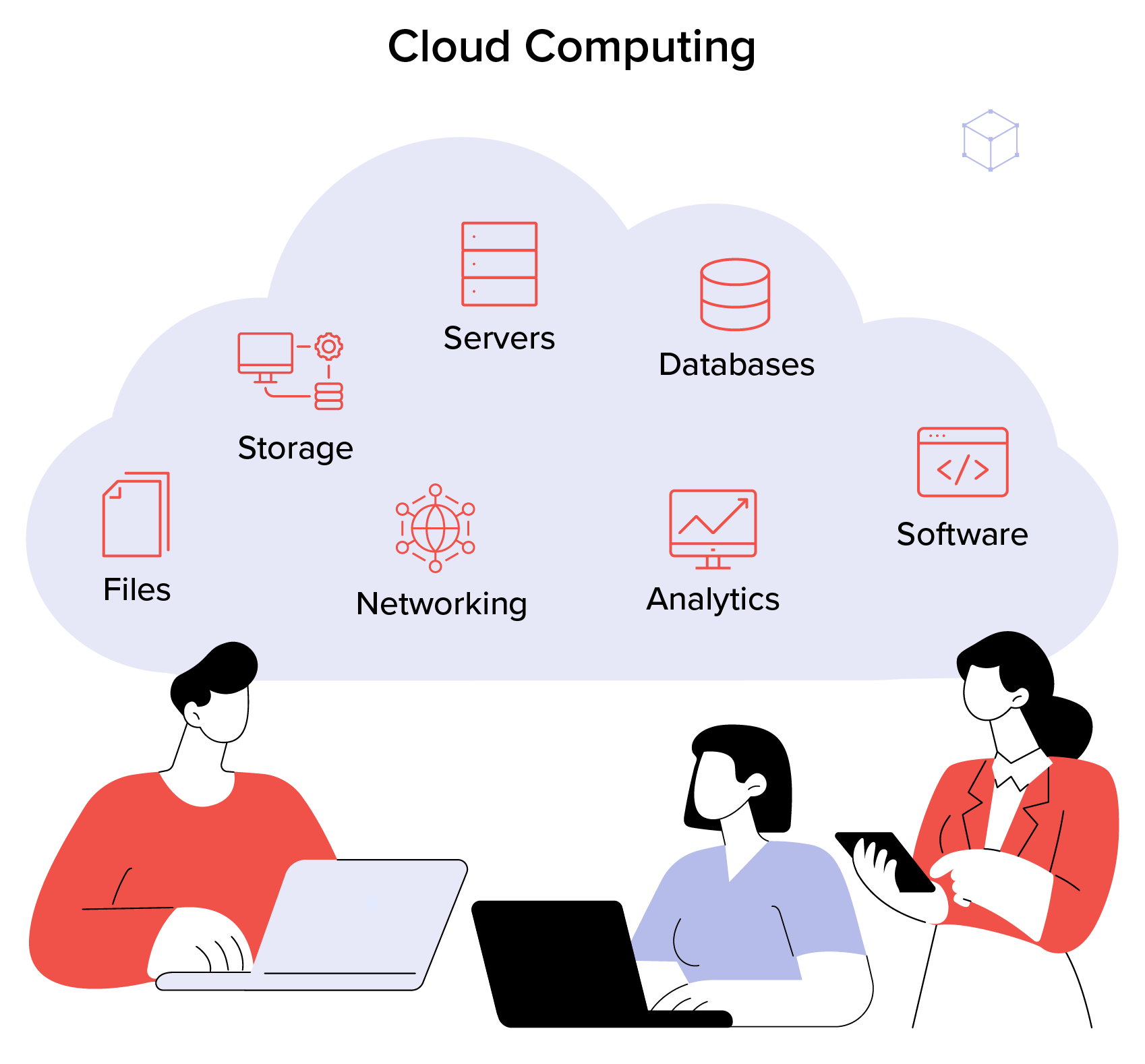
With cloud computing, these resources are provided through online platforms. Businesses can access:
- File storage
- Business applications
- Databases
- Backup solutions
- Communication tools
- Security services
The technology behind these services is managed by specialized providers, allowing businesses to focus on their work instead of maintaining complex infrastructure.
The Cloud Is Already Part of Everyday Business
Many small businesses already use cloud technology without realizing it.
Common examples include:
- Online email services
- Cloud-based accounting software
- Digital collaboration tools
- Online customer management systems
- Website hosting platforms
- File-sharing services
The cloud is not a futuristic concept. It is already a practical solution used by businesses around the world.
Why Small Businesses Should Consider Cloud Solutions
Lower Technology Costs
One of the biggest advantages of cloud computing is cost efficiency.
Traditional technology systems often require:
- Expensive hardware purchases
- Regular equipment upgrades
- Dedicated maintenance
- Technical support resources
Cloud solutions usually operate through subscription-based pricing, allowing businesses to pay for what they actually use.
This approach helps small businesses avoid large upfront investments and makes professional technology more accessible.
No Need for Advanced Technical Expertise
A common concern among small business owners is the fear that cloud technology is too complicated.
Modern cloud services are designed to be user-friendly. Many platforms provide:
- Simple dashboards
- Automated updates
- Guided setup processes
- Built-in security features
- Customer support
Businesses do not need to understand every technical detail. They only need to know how the tools help them work more efficiently.
Improving Business Productivity with Cloud Tools
Access Information Anywhere
One of the main benefits of cloud computing is flexibility.
Employees can access important files and applications from different locations, whether they are:
- Working from an office
- Traveling
- Working remotely
- Collaborating with external partners
This accessibility improves communication and allows businesses to operate more efficiently.
Easier Team Collaboration
Cloud-based platforms make teamwork simpler by allowing multiple people to work with shared information.
Teams can:
- Edit documents together
- Share files instantly
- Track updates
- Communicate more effectively
Instead of sending multiple versions of files by email, employees can work from a single updated source.
Automating Routine Tasks
Many cloud solutions help businesses reduce repetitive work.
Examples include:
- Automatic backups
- Scheduled reports
- Customer notifications
- Online payments
- Inventory updates
Automation saves time and allows employees to focus on higher-value activities.
Cloud Computing and Business Security
Better Protection Through Professional Infrastructure
Many small businesses assume that security requires expensive systems and large IT departments. Cloud computing changes this assumption.
Professional cloud providers often include:
- Data encryption
- Security monitoring
- Regular updates
- Backup systems
- Access controls
These features can provide stronger protection than many small businesses could build independently.
Reducing the Risk of Data Loss
Data loss can happen because of:
- Hardware failures
- Accidental deletion
- Cyberattacks
- Natural disasters
- Device damage
Cloud backups help businesses protect important information by storing copies in secure locations.
A reliable backup strategy ensures that a business can recover more quickly after unexpected problems.
How Cloud Computing Supports Website and Online Business Growth

Reliable Website Hosting
A business website is often the first interaction customers have with a company. Slow loading times or frequent downtime can damage trust.
Cloud-based hosting solutions can provide:
- Better reliability
- Improved performance
- Automatic resource adjustments
- Easier maintenance
This helps businesses provide a smoother experience for visitors.
Handling Growth Without Major Changes
One challenge for growing businesses is preparing for increased demand.
A traditional system may require purchasing new equipment when traffic increases. Cloud infrastructure can often adjust resources automatically.
For example, a website can handle:
- Seasonal traffic increases
- Marketing campaigns
- New customer growth
- Business expansion
This flexibility allows companies to grow without rebuilding their entire technology environment.
Common Cloud Computing Myths
“The Cloud Is Only for Large Companies”
This is one of the biggest misconceptions.
Cloud solutions are especially valuable for small businesses because they provide access to professional tools without requiring large budgets or technical teams.
“Cloud Technology Is Too Complicated”
While cloud systems can involve advanced technology behind the scenes, users do not need to manage that complexity.
The purpose of cloud services is to simplify technology, not make it harder.
“Cloud Services Are Not Secure”
Security depends on how technology is used. Reputable cloud providers invest heavily in protection, but businesses must still follow good practices such as:
- Using strong passwords
- Managing user access carefully
- Training employees
- Keeping software updated
Cloud security works best when combined with responsible business practices.
Choosing the Right Cloud Solutions for a Small Business
Start With Business Needs
The best technology decisions begin with understanding the actual problem.
Businesses should ask:
- What tasks take too much time?
- Where do employees struggle?
- What information needs better protection?
- Which processes could be automated?
Technology should solve real challenges, not simply add complexity.
Choose Simple and Scalable Tools
Small businesses should prioritize solutions that are:
- Easy to use
- Reliable
- Secure
- Affordable
- Able to grow with the company
A simple tool that employees actually use is often more valuable than a complex system with unnecessary features.
Avoid Moving Everything at Once
Cloud adoption does not need to happen overnight.
A practical approach is to start with areas that provide immediate benefits, such as:
- Moving important files to secure cloud storage.
- Introducing cloud collaboration tools.
- Improving website hosting reliability.
- Adding automated backup solutions.
- Expanding to more advanced services when needed.
A gradual transition reduces risks and allows employees to adapt.
The Future of Cloud Computing for Small Businesses
Cloud technology will continue becoming more accessible, intelligent, and integrated into everyday business operations.
Future cloud solutions will likely provide:
- More automation
- Smarter business insights
- Improved security tools
- Easier management
- More personalized services
The goal will remain the same: helping businesses use powerful technology without unnecessary complexity.
Conclusion: Cloud Computing Makes Professional Technology Accessible
Cloud computing is no longer a tool reserved for large corporations with technical experts. It has become a practical solution for small businesses that want to improve productivity, security, and flexibility.
By using cloud services, businesses can reduce costs, protect important information, collaborate more effectively, and build a stronger digital foundation.
The most important idea is simple: businesses do not need to understand every technical detail to benefit from technology. They need reliable solutions that solve real problems and help them focus on growth.