

A website is often the first interaction customers have with a business. Before they read your content, explore your services, or make a purchase, they form an impression based on how quickly and smoothly your website responds.
A slow website does more than frustrate visitors. It can reduce customer trust, damage search engine rankings, and directly impact revenue. In a digital world where people expect instant access to information, website performance has become a key factor in business success.
Improving website speed is not just a technical task. It is a business decision that affects user experience, customer relationships, and long-term growth.
Why Website Speed Matters for Customer Trust

When visitors arrive on a website, they expect pages to load quickly and interactions to feel effortless. If a site takes too long to respond, many users will leave before they ever discover what the business offers.
Website speed influences how customers perceive a brand.
A fast website communicates:
- Professionalism and reliability
- Attention to customer experience
- Confidence in digital operations
- A commitment to quality
On the other hand, slow performance can create doubts. Visitors may wonder whether the business is outdated, unreliable, or difficult to work with.
For small businesses especially, trust is essential. A potential customer comparing multiple companies may choose the one with the smoother online experience simply because it feels more dependable.
The Connection Between Website Performance and Revenue
Website performance directly affects business results. Every additional delay can create friction between a customer and a desired action, whether that action is making a purchase, submitting a contact form, booking an appointment, or signing up for a service.
A slow website can lead to:
- Lower conversion rates
- Fewer customer inquiries
- Higher abandonment rates
- Reduced sales opportunities
- Less engagement with important content
A website should guide visitors toward taking action. When performance problems interrupt that journey, businesses lose valuable opportunities.
For example, an online store may invest heavily in advertising to attract visitors. However, if customers leave because product pages load slowly, the marketing investment becomes less effective.
Website speed is not only about attracting visitors. It is about helping those visitors become customers.
How Website Speed Affects User Experience
User experience, often called UX, focuses on how people interact with a website. A well-designed website should feel simple, intuitive, and responsive.
Website performance plays a major role in creating a positive user experience.
Faster Navigation Creates Better Engagement
Visitors are more likely to explore a website when pages load quickly. They can easily move between products, services, blog posts, and contact pages without frustration.
A fast experience encourages users to:
- Spend more time on the website
- View more pages
- Learn about the business
- Complete important actions
Mobile Performance Matters More Than Ever
Many customers access websites through smartphones. Mobile users often deal with slower connections and smaller screens, making optimization even more important.
A website that works well on desktop but loads slowly on mobile can create a poor experience for a large portion of potential customers.
Businesses should prioritize:
- Responsive design
- Mobile-friendly layouts
- Fast-loading images
- Simple navigation
A smooth mobile experience can significantly improve customer satisfaction and engagement.
Website Speed and SEO: Why Performance Affects Search Visibility

Search engines consider user experience when determining which websites appear in search results. Website performance is one of the factors that can influence how a site is evaluated.
A slow website may struggle with:
- Lower search rankings
- Reduced organic traffic
- Poor user engagement signals
When users quickly leave a website because of slow loading times, search engines may interpret this as a sign that the page is not providing a good experience.
Improving performance supports a stronger SEO strategy by helping websites become:
- Easier to access
- More enjoyable to use
- More likely to keep visitors engaged
SEO is not only about keywords and content. Technical performance is an important part of creating a successful online presence.
Common Causes of Slow Websites
Many website speed issues come from common technical problems that can be fixed with the right approach.
Large Images and Media Files
High-quality images are important for creating attractive websites, but large files can significantly slow down page loading.
Common solutions include:
- Compressing images before uploading
- Using modern image formats
- Reducing unnecessary media files
- Loading images only when needed
Too Many Plugins and Features
Adding extra features can improve functionality, but too many plugins, scripts, or third-party tools can increase loading times.
Businesses should regularly review their websites and remove tools they no longer need.
Poor Hosting Performance
The quality of website hosting affects how quickly pages are delivered to visitors.
A reliable hosting environment provides:
- Better speed
- Improved security
- Higher reliability
- More consistent performance
Unoptimized Code
Behind every website is code that controls how pages function. Unnecessary or inefficient code can slow down performance.
Technical optimization can include:
- Reducing unnecessary scripts
- Improving website structure
- Removing unused files
- Optimizing databases
Practical Steps to Improve Website Performance
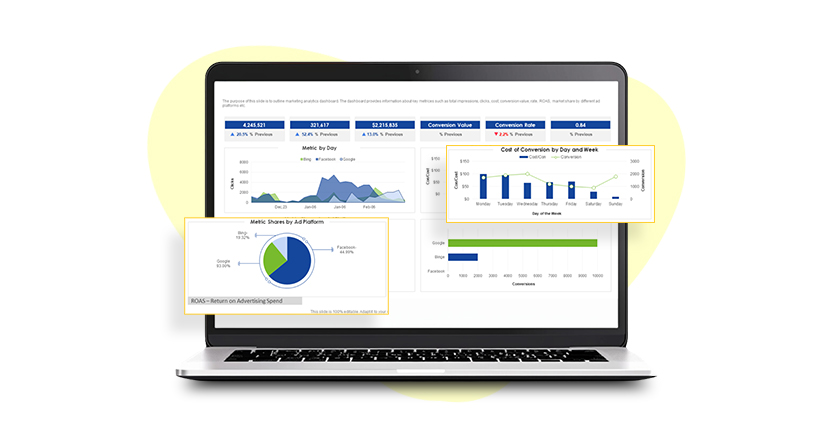
Improving website speed does not always require a complete redesign. Many businesses can achieve noticeable improvements through simple optimization steps.
1. Test Your Current Website Speed
Before making changes, understand your starting point.
Review:
- Page loading times
- Mobile performance
- Slow pages
- Technical issues
Regular testing helps identify problems and measure improvement.
2. Optimize Website Images
Images are often among the largest elements on a webpage.
Best practices include:
- Resize images appropriately
- Compress files
- Use the correct format
- Avoid uploading unnecessary high-resolution files
Optimized images maintain quality while improving speed.
3. Use Website Caching
Caching allows frequently used website elements to load faster by storing copies of files temporarily.
This reduces the amount of work required every time someone visits a page.
4. Simplify Website Design
A clean website is often faster and easier to use.
Consider removing:
- Unnecessary animations
- Excessive graphics
- Complicated layouts
- Features that do not improve customer experience
A simpler design often creates better results.
5. Keep Software Updated
Regular updates improve:
- Security
- Compatibility
- Performance
- Reliability
Outdated website software can create unnecessary speed and security problems.
Creating a Faster Website Is an Investment in Growth
Website performance should not be viewed as a minor technical detail. It is a core part of how customers experience a business online.
A fast website helps businesses:
- Build customer confidence
- Improve search visibility
- Increase conversions
- Deliver better service
- Compete more effectively
Every visitor has expectations. They want information quickly, navigation to feel effortless, and interactions to work smoothly.
Businesses that prioritize website performance create digital experiences that encourage trust and drive action.
Turning Website Speed Into a Competitive Advantage
A slow website can quietly limit business growth, while a fast website can become a powerful advantage. Customers may not always notice when a website performs well, but they immediately notice when it does not.
By focusing on speed, user experience, SEO, and practical optimization, businesses can create websites that do more than look good. They can build platforms that attract customers, support growth, and generate measurable results.
The journey from slow to fast starts with understanding that website performance is not just about technology. It is about creating a better experience for every person who visits your business online.