
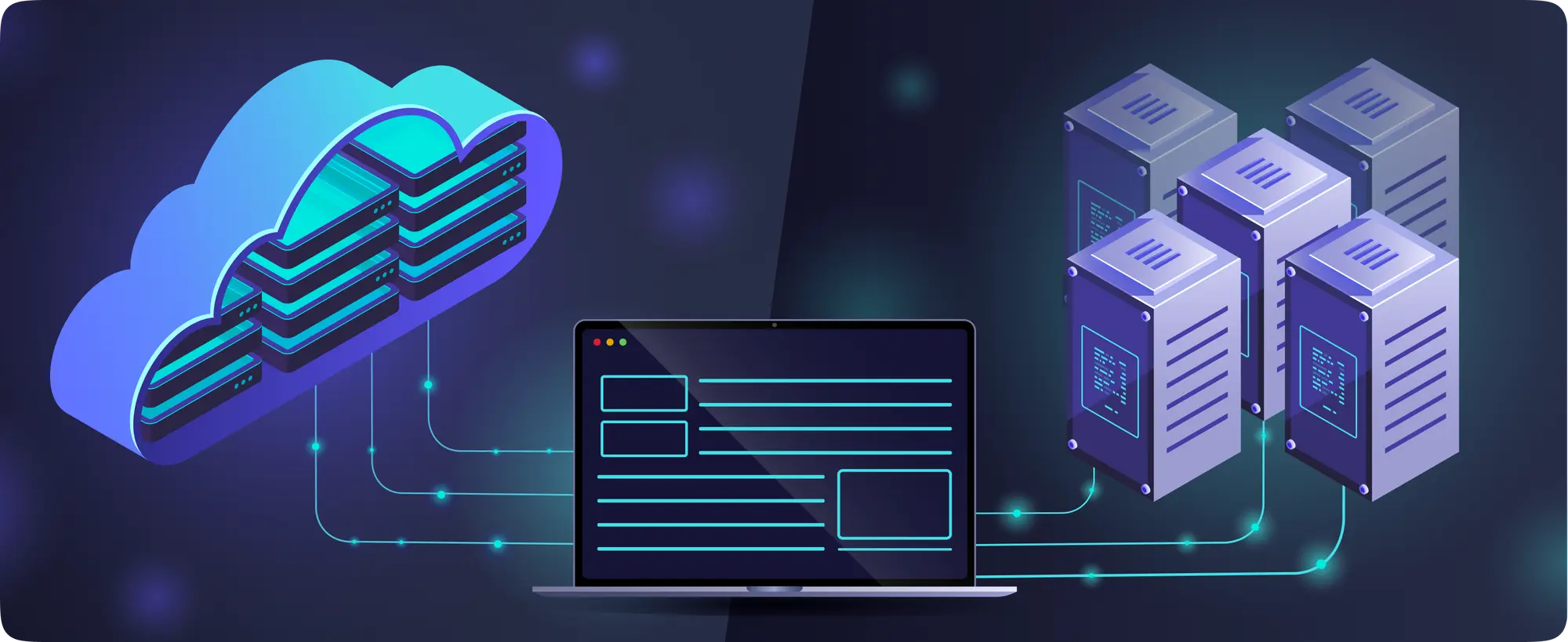
For decades, businesses relied on traditional IT infrastructure to store data, run applications, and support daily operations. Physical servers, on-site hardware, and locally installed software were once the standard approach for managing technology.
Today, businesses of all sizes are increasingly adopting cloud-based solutions. Cloud technology offers flexibility, scalability, and accessibility that traditional systems often struggle to provide.
The shift from traditional IT to cloud-based solutions is not simply a technology upgrade. It represents a change in how businesses operate, collaborate, and prepare for future growth.
Understanding the differences between these approaches can help businesses choose the right technology strategy for their needs.
What Is Traditional IT Infrastructure?
Traditional IT refers to a technology environment where businesses manage their own physical hardware, software, and infrastructure.
In a traditional setup, companies typically invest in:
- Physical servers located on-site or in dedicated facilities
- Desktop software installations
- Internal IT equipment
- Local data storage systems
- Manual hardware maintenance
This approach gives businesses direct control over their technology environment. However, it also requires significant investment, technical expertise, and ongoing management.
For many years, traditional IT was the preferred solution because businesses needed reliable systems they could manage internally. As technology demands have changed, many organizations have started looking for more flexible alternatives.
What Is Cloud-Based Technology?
Cloud computing allows businesses to access technology resources through the internet instead of relying entirely on physical infrastructure.
Cloud solutions can include:
- Data storage
- Business applications
- Backup systems
- Collaboration tools
- Security services
- Computing power
Instead of purchasing and maintaining expensive hardware, businesses can use cloud services provided by technology companies and pay based on their needs.
This approach allows organizations to access powerful technology without managing every technical component themselves.
Traditional IT vs. Cloud Solutions: Key Differences
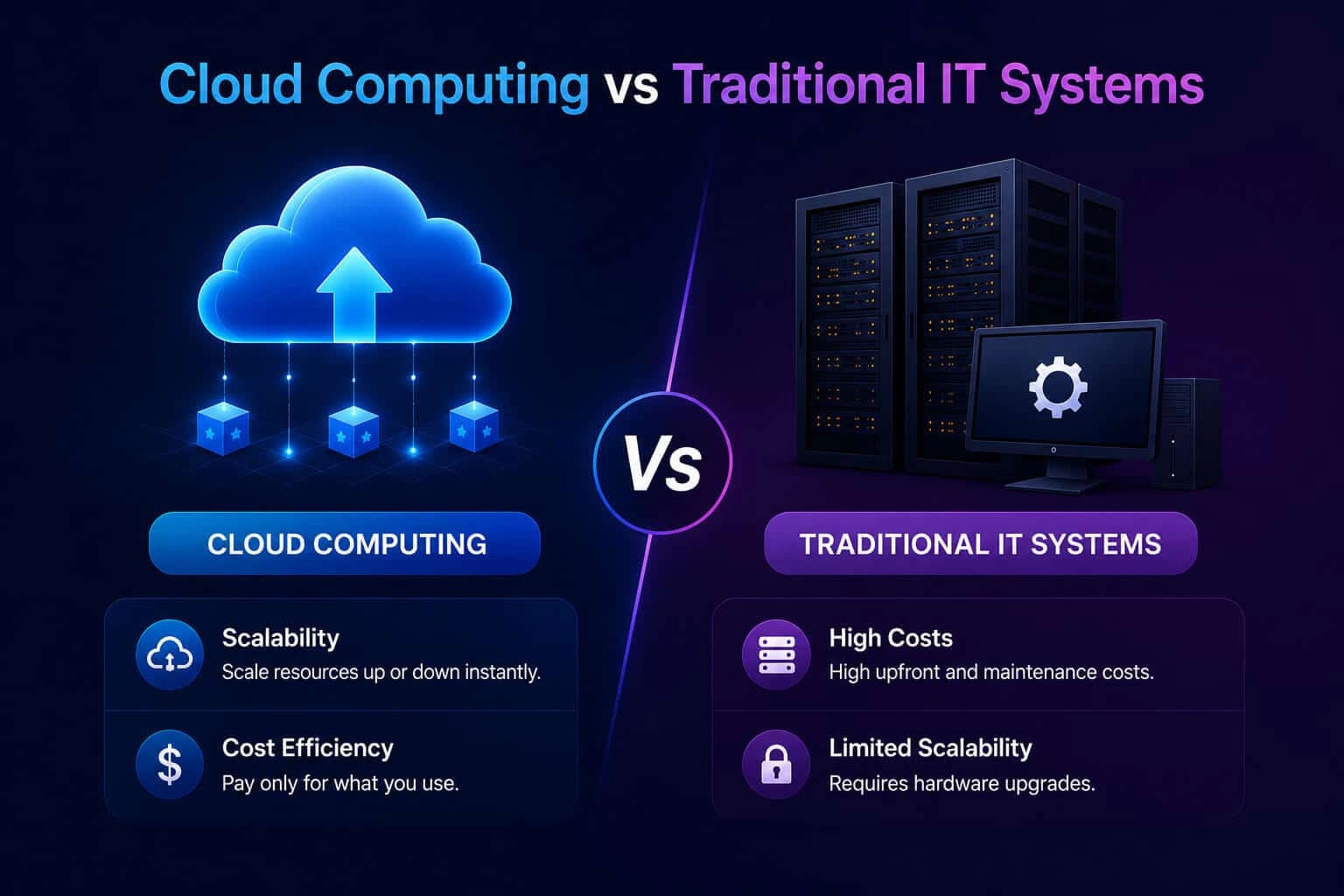
Both traditional IT and cloud-based approaches have advantages, but they differ significantly in how resources are managed.
Infrastructure Ownership
Traditional IT:
Businesses purchase, install, and maintain their own hardware. This requires upfront investment and ongoing responsibility for repairs, upgrades, and replacements.
Cloud IT:
Technology infrastructure is managed by a cloud provider. Businesses access resources without needing to own and maintain physical equipment.
Cost Structure
Traditional IT often requires large upfront expenses for:
- Servers
- Equipment
- Software licenses
- Maintenance
- IT support
Cloud solutions typically use subscription-based pricing, allowing businesses to spread costs over time.
This can make technology more accessible, especially for small and growing businesses.
Scalability
Traditional infrastructure can be difficult to expand. Adding more storage or computing power may require purchasing and installing additional hardware.
Cloud solutions make scaling easier. Businesses can increase or reduce resources based on demand without major infrastructure changes.
For example, an online retailer experiencing seasonal growth can quickly increase capacity during busy periods and reduce it afterward.
Accessibility and Remote Work
Traditional IT systems often depend on physical office locations and internal networks.
Cloud-based systems allow employees to access tools and information from anywhere with an internet connection.
This supports:
- Remote work
- Flexible teams
- Collaboration across locations
- Faster access to business information
Why Businesses Are Moving to Cloud Solutions
The growing adoption of cloud technology is driven by the need for greater flexibility, efficiency, and resilience.
1. Lower Hardware Dependence
Maintaining physical servers requires space, energy, and technical knowledge.
Cloud solutions reduce the need for businesses to manage hardware directly, allowing teams to focus on their core operations instead of infrastructure management.
2. Improved Business Flexibility
Modern businesses need to adapt quickly. Cloud technology allows companies to adjust their systems as their needs change.
Businesses can:
- Add new users quickly
- Expand storage when needed
- Access new features without major upgrades
- Support changing work environments
This flexibility helps companies respond faster to opportunities and challenges.
3. Better Collaboration
Cloud-based tools make it easier for teams to work together.
Employees can:
- Share documents
- Access updated information
- Collaborate in real time
- Communicate from different locations
This creates more efficient workflows and reduces delays caused by disconnected systems.
4. Enhanced Backup and Recovery Options
Data protection is a major concern for every business.
Traditional systems often require companies to create and manage their own backup strategies. This can be time-consuming and vulnerable to mistakes.
Cloud solutions often provide built-in backup and recovery features that help businesses protect important information and recover more quickly after disruptions.
Challenges of Moving to the Cloud
While cloud technology provides many benefits, businesses should consider potential challenges before making the transition.
Data Security Considerations
Some businesses worry about storing information outside their physical location.
A successful cloud strategy requires:
- Strong access controls
- Secure passwords
- Employee security training
- Careful provider selection
Security is not automatic. Businesses must still follow best practices to protect their information.
Internet Dependence
Cloud systems rely on internet connectivity. A poor connection can affect access to important tools.
Businesses should consider:
- Reliable internet service
- Backup connectivity options
- Offline access features when available
Migration Planning
Moving from traditional systems to the cloud requires planning.
A successful migration may involve:
- Reviewing existing systems
- Identifying important data
- Selecting appropriate cloud solutions
- Training employees
- Testing new workflows
A gradual transition is often more effective than changing everything at once.
How to Decide Which Approach Is Right for Your Business
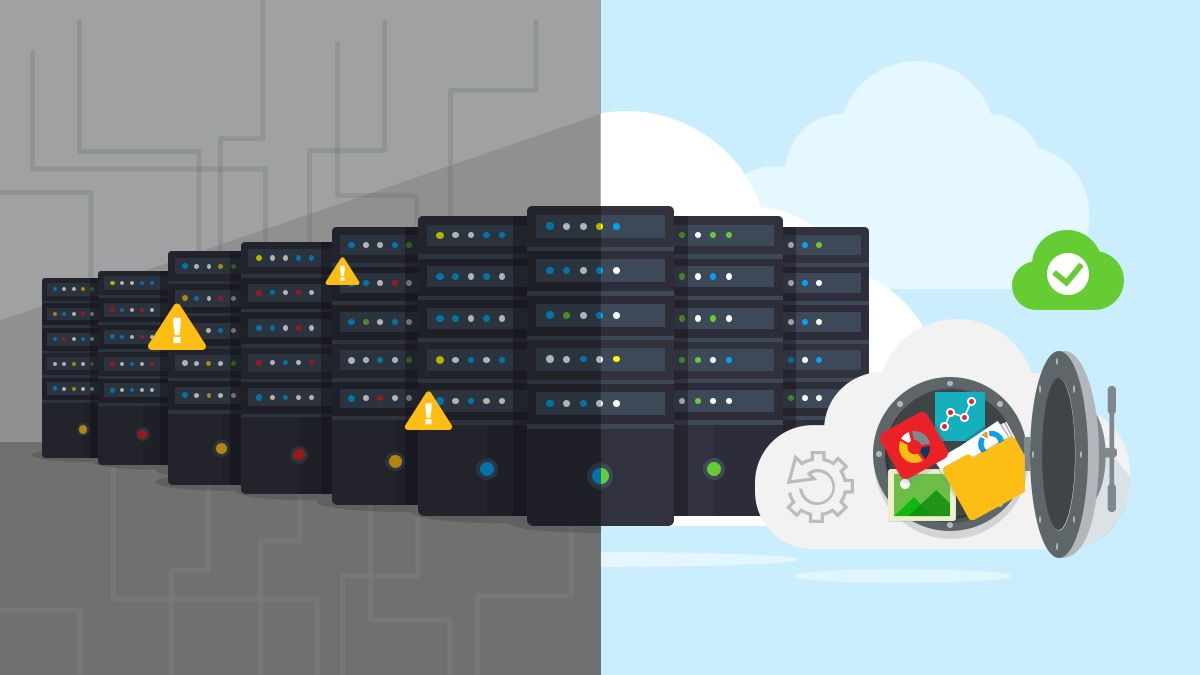
There is no single technology solution that works for every organization. The right choice depends on business goals, budget, security needs, and operational requirements.
Businesses should consider:
Current Technology Challenges
Ask:
- Are existing systems difficult to maintain?
- Is hardware becoming outdated?
- Do employees need better remote access?
- Are technology costs increasing?
Growth Plans
Consider whether your technology can support future expansion.
A growing business may benefit from the flexibility of cloud solutions because resources can increase as the company develops.
Internal IT Resources
Businesses with limited technical staff may prefer cloud solutions that reduce infrastructure management responsibilities.
A Hybrid Approach: Combining Cloud and Traditional IT
Some businesses choose a hybrid approach that combines cloud services with traditional infrastructure.
This model allows companies to keep certain systems locally while moving other operations to the cloud.
A hybrid strategy can provide:
- Greater flexibility
- Improved control
- Gradual migration
- Customized technology solutions
For businesses with specific requirements, a hybrid model may offer the best balance between traditional systems and modern cloud capabilities.
The Future of Business Technology Is Flexible
Technology continues to evolve, and businesses need systems that can adapt quickly. Traditional IT infrastructure still has a role in certain situations, but cloud-based solutions have changed what is possible for organizations of all sizes.
Cloud technology allows businesses to access powerful tools without the complexity of managing everything internally. It supports collaboration, improves flexibility, and creates opportunities for growth.
The move from traditional IT to cloud solutions is not about replacing technology for the sake of change. It is about building a smarter digital foundation that helps businesses operate more efficiently.
Choosing Technology That Supports Growth
The best technology strategy is one that aligns with business goals. Whether a company chooses cloud solutions, traditional infrastructure, or a combination of both, the focus should remain on reliability, security, and long-term value.
Businesses that embrace flexible digital solutions can respond faster, work more effectively, and build stronger foundations for the future.
The future of IT is not defined by where technology is stored. It is defined by how effectively businesses can use technology to serve customers, support employees, and grow.